Best Peptides for Athletic Performance & Recovery
SS-31, MOTS-c, and KLOW each approach performance research from a different angle — mitochondrial energy, exercise mimicry, and tissue repair. Here is how they compare.
Performance Research Starts at the Cellular Level
Fatigue, recovery time, and endurance capacity all trace back to mitochondrial function and tissue repair signaling. Rather than targeting muscle directly, the peptides studied here work on the underlying energy and repair systems that determine how fast tissue bounces back from load.
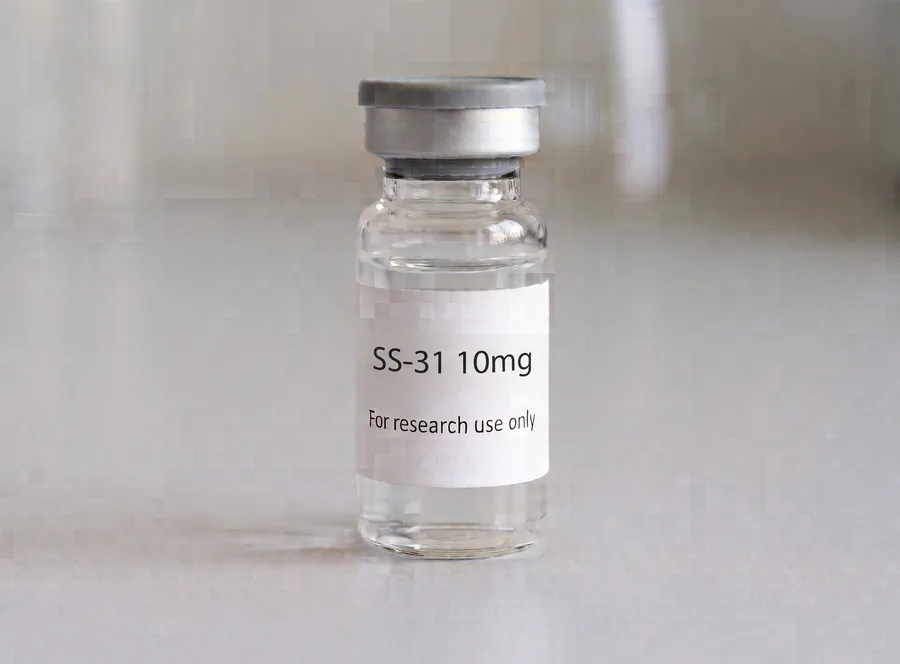
SS-31 — Mitochondrial Energy & Oxidative Stress
SS-31 (Elamipretide) concentrates in the inner mitochondrial membrane, where it is studied for restoring ATP output in depleted tissue and lowering the reactive oxygen species that build up under high-energy demand. It is researched specifically for muscle fatigue, cardiac function, and post-exercise recovery — a direct fit if the research question is about energy output rather than tissue structure.
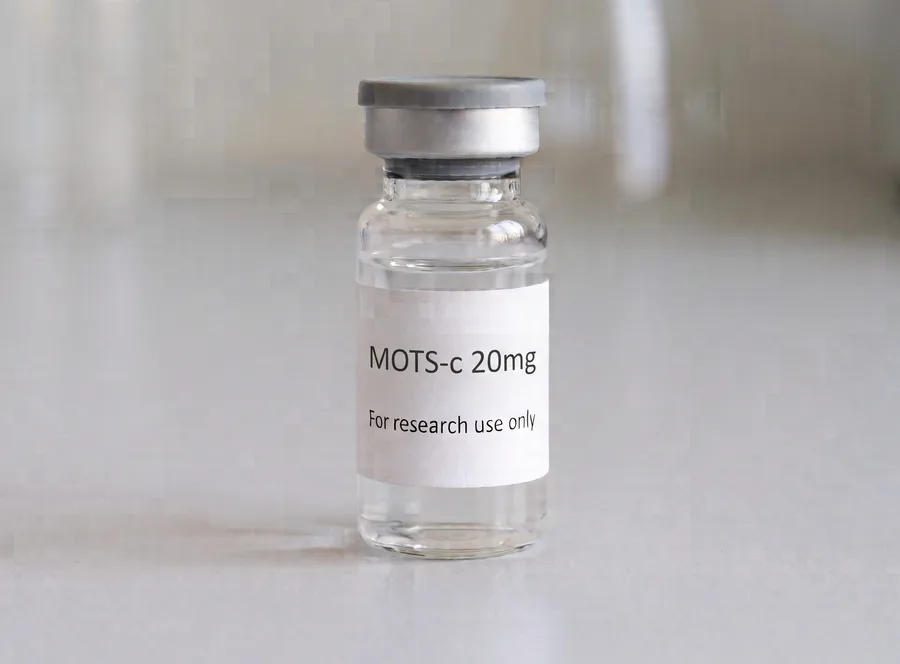
MOTS-c — The Exercise Mimetic
MOTS-c is a mitochondrial-derived peptide that activates AMPK — the same metabolic pathway triggered by exercise itself. It is studied for insulin sensitivity, mitochondrial biogenesis, and endurance capacity, making it the peptide of choice when the research angle is metabolic flexibility and endurance rather than acute tissue repair.
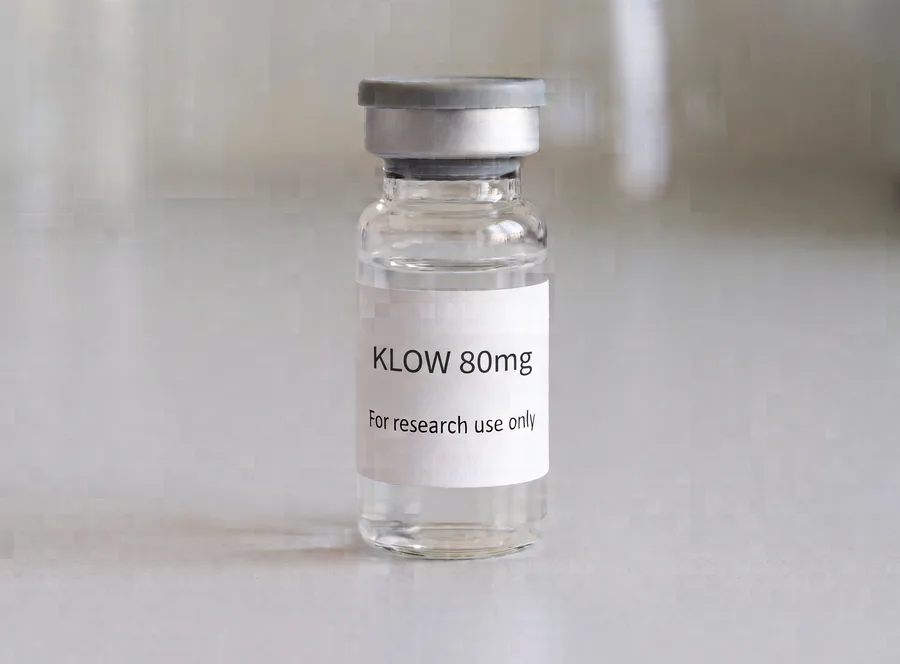
KLOW — The Four-Peptide Recovery Blend
KLOW combines GHK-Cu, TB-500, BPC-157, and KPV into a single formulation studied for tissue repair, joint and tendon recovery, and skin structure. Where SS-31 and MOTS-c work on energy systems, KLOW is built around structural repair — the blend to reach for when the research question is about soft tissue healing rather than metabolic output.
Matching the Peptide to the Research Question
If the focus is raw energy output and oxidative stress, start with SS-31. If it is metabolic flexibility and endurance, MOTS-c fits the exercise-mimetic mechanism. If the question is structural — joints, tendons, connective tissue — KLOW is the blend built for that. Some research protocols combine an energy-focused peptide with KLOW to cover both angles at once.
Products Mentioned in This Article
Frequently Asked Questions
Security note: we never message customers first. Always verify you are speaking to the exact username above before trusting any contact.